
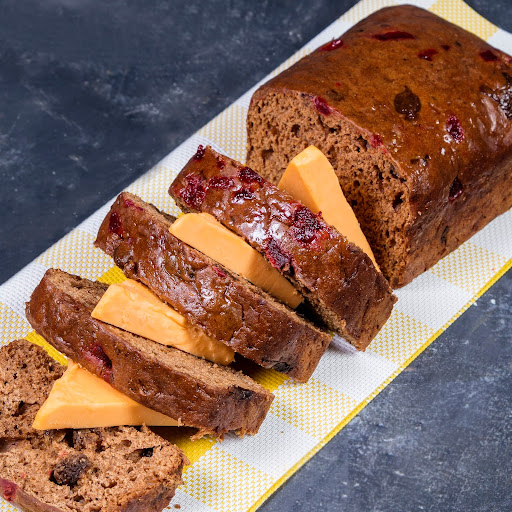
Jamaican Easter Bun and Cheese
The history of Jamaican Easter Bun and Cheese is a flavorful tale of colonial adaptation and cultural reimagining. Much like Rice and Peas, this tradition is a cornerstone of Jamaican identity, blending British influence with tropical ingredients and religious significance.
The Origins: From British Hot Cross Buns
The custom traces its roots back to the British Hot Cross Bun, which was introduced to Jamaica during the colonial era. In England, these small, lightly spiced buns marked with a cross were traditionally eaten on Good Friday to symbolize the Crucifixion.
However, as the tradition took root in the Caribbean, it underwent a dramatic transformation to suit local tastes and available resources:
From Buns to Loaves: While the British original is a small, round bun, the Jamaican version evolved into a dense, moist, spiced loaf.
The Sweetener: Instead of using refined sugar, Jamaicans used molasses and honey, which gave the bun its signature dark, rich color and deep earthy sweetness.
The “Kick”: To enhance the flavor profile, locals added stout (often Dragon Stout), ginger, nutmeg, and cinnamon, creating a much more aromatic and potent spice blend than the English counterpart.